
Integrated solutions for electrochemical energy storage systems
Full-stack integration from battery cells to containers, adaptable to peak and valley arbitrage, backup power supply, and optical storage and charging scenarios
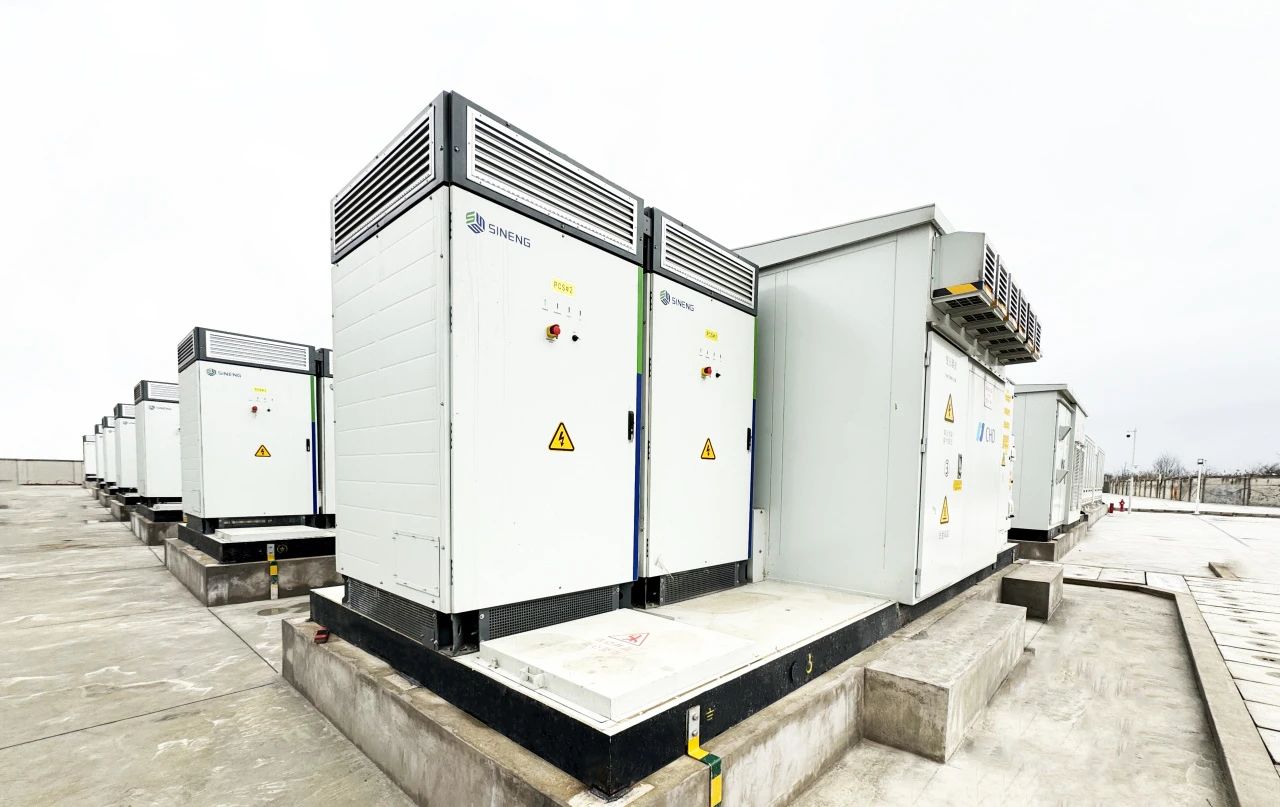
Detailed plan description
Provide standardized energy storage system integration services for industrial and commercial peak and valley arbitrage, photovoltaic and storage integration, backup power supply, power grid peak shaving and other scenarios. The entire process is delivered from battery cell selection, battery cluster assembly, PCS converter configuration, to EMS energy management system, container integration, and grid connection acceptance. The multi-level safety protection design is adopted to ensure the long-term safe and stable operation of the system, helping users realize the dual value of saving electricity bills and providing backup power.
Adapted to Indonesia
Solve the problems of "power outage backup, high diesel engine costs, peak and valley/demand management, and photovoltaic fluctuations" for factories, parks, hotels, communications and remote loads. The purchasing side obtains a complete interface solution for batteries, PACK, BMS, PCS, EMS, fire protection, containers and grid-connected cabinets, instead of on-site assembly after scattered procurement.
Professional specifications and standards based
Priority is given to using LFP batteries, single cabinet 100-215kWh or container 1-5MWh; PCS common 100kW-1MW, AC 400V/690V, can be boosted to 20kV. The cycle life is recommended to be more than 6,000 times, the system efficiency is more than 85%-90%, the protection is IP54, and the fire protection uses aerosol/heptafluoropropane/water fire protection according to the project requirements. Reference IEC 62619, IEC 62933, UN38.3, IEC 61439, IEC 62477.
Product specification comparison table
| Configuration gear | Typical specifications | Applicable buyers/scenarios | Purchase reminder |
|---|---|---|---|
| Small backup power | 100-215kWh,100kW PCS | Hotels, communications, shops | Focus on the backup time and space required |
| Factory peak cutting | 500kWh-2MWh,EMS | manufacturing plant | The income needs to be calculated based on the load curve |
| Optical storage microgrid | 1-5MWh,PV+BESS+genset | Island/park | Need to do on-grid switching logic |
Original experience and test data
Scarce experience: Energy storage project failures mostly occur in thermal management, fire protection linkage and EMS strategies, rather than individual cell parameters.
Pitfalls and pain points that I have stepped on
- The battery core has poor consistency, decays quickly after being grouped, and the actual cycle life is much lower than the nominal value;
- The BMS management strategy is unreasonable, thermal management fails, and there is a safety risk of thermal runaway fire;
- The cooperative scheduling logic of optical and storage is poor, the spontaneous self-use rate is low, and the investment return cycle is lengthened;
- The technical requirements for grid connection are high, and the acceptance period for self-connection to the grid is long and the pass rate is low.
Core parameters
The system capacity is 1MWh~100MWh, the DC system voltage is 1500V, the PCS conversion efficiency is ≥98%, the cell cycle life is ≥6000 times, the overall system efficiency is ≥90%, and the dispatch response time is ≤100ms.
Our special contribution
- Strict battery cell sorting system, the consistency deviation of battery cells in a group is ≤2%, and the overall system life is increased by 20%;
- Self-developed thermal management + BMS collaborative control strategy and multi-level safety protection eliminate the risk of thermal runaway;
- Integrated EMS energy management system, intelligent coordination of light storage and charging, and self-use rate increased to more than 85%;
- Full-process grid connection technical support, in line with grid dispatch requirements, and project acceptance passed once.
Project income
- Economic benefits: Under the peak-valley arbitrage model, the 1MWh energy storage system saves more than 200,000 yuan in annual electricity bills, and the investment return period is shortened to 5 to 6 years; the system life is increased by 20%, and the full life cycle income is increased by more than 25%; after the synergy of photovoltaic and storage, the spontaneous self-use rate is increased to 85%, and the photovoltaic self-use income is significantly increased.
- Safety benefits: Multi-level safety protection + thermal management collaboration, the risk of thermal runaway is reduced to 0, and energy storage safety accidents are eliminated.
- Management benefits: The EMS system is fully automated and intelligently dispatched without manual intervention, reducing operation and maintenance costs by 30%; passing the grid connection acceptance once, shortening the project implementation cycle by 30%.
Ready to Discuss Your Project?
Our engineering team is ready to provide efficient and cost-effective electrical solutions.