
Port and ship shore power system solutions
Zero-emission power supply for ships docking at port, adaptable to multiple voltage levels, frequency conversion and voltage stabilization
Detailed plan description
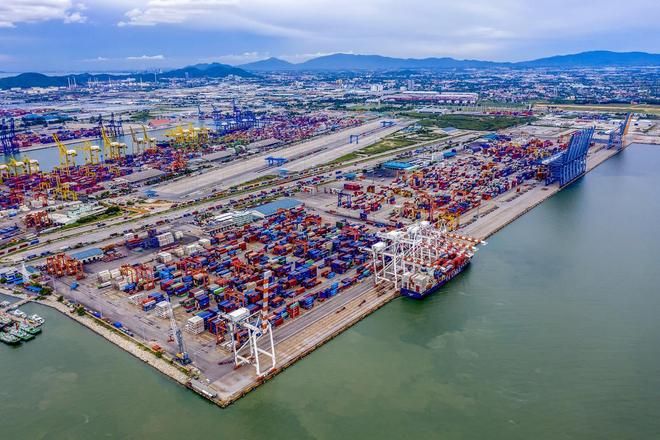
For container terminals, bulk cargo terminals, and cruise terminals, we provide an overall solution for high-voltage/low-voltage shore power systems, enabling ships at port to shut down auxiliary engines and switch to shore power supply, thereby reducing port emissions. The system supports frequency conversion and voltage conversion, adapts to the power consumption standards of ships of different nationalities and tonnages, and is equipped with metering, billing, and remote monitoring functions.
Adapted to Indonesia
Solve the problems of "non-uniform voltage and frequency of ships, salt spray corrosion, emission reduction compliance, and connection safety" for ports, terminals and ship service providers. The solution covers medium-voltage shore power, frequency conversion and voltage conversion, connection boxes, cable coils, metering, interlocking protection and operation and maintenance training.
Professional specifications and standards based
The shore power system needs to be compatible with 6.6kV/11kV, 50/60Hz ship requirements, and be equipped with variable frequency power supply and isolation transformer if necessary; port environment recommendations include C5-M anti-corrosion, salt spray test, and IP55/IP65. Refer to IEC/ISO/IEEE 80005, IEC 62271, IEC 61439, IEC 60076, ISO 9227 salt spray test.
Product specification comparison table
| Configuration gear | Typical specifications | Applicable buyers/scenarios | Purchase reminder |
|---|---|---|---|
| low voltage shore power | 400/440V,50/60Hz | Small ships/inland waterways | Pay attention to plug and connection safety |
| medium voltage shore power | 6.6/11kV, transformer/protection | large port | Need to match ship-shore standards |
| Variable frequency shore power | 50/60Hz variable frequency power supply | international ship | High cost but strong compatibility |
Original experience and test data
Scarce experience: The difficulties in shore power projects lie in the connection process and compatibility with multiple ship types, not just in equipment capacity.
Pitfalls and pain points that I have stepped on
- The voltage and frequency standards of ships in various countries are different, and the adaptability of shore power is poor, making many ships unable to use it;
- The port is humid and salty, causing rapid corrosion of equipment, short service life, and frequent failures;
- The impact current is large when the ship is connected, which can easily cause fluctuations in the terminal's power distribution system;
- The measurement of shore power usage is inaccurate and there are many disputes over cost settlement.
Core parameters
High voltage shore power 6kV/10kV, low voltage shore power 380V/440V, frequency 50Hz/60Hz adjustable, single pile capacity 100kVA~2MVA, protection level IP65, measurement accuracy level 0.5.
Our special contribution
- Integrated design of variable frequency and variable voltage, adapting to global mainstream ship power supply standards, with a coverage rate of more than 95%;
- The entire set of equipment is treated with salt spray anti-corrosion, extending the service life by 2 times in the harsh environment of the port;
- Soft start grid connection technology, no impact on the connection, does not affect the stability of the original power distribution system of the terminal;
- The intelligent billing system automatically identifies ships, calculates expenses, and ensures zero settlement disputes.
Project income
- Economic benefits: The ship adaptation coverage rate has increased to 95%, the shore power utilization rate has increased by more than 3 times, and the port's shore power revenue has increased significantly; the equipment life has been extended by 2 times, and the equipment replacement and maintenance costs have been reduced by 50% on average annually; intelligent billing settlement has zero disputes, and financial reconciliation efficiency has increased by 80%.
- Environmental benefits: Vessels at the port shut down their auxiliary engines, reducing carbon emissions by more than 1,000 tons per year for a single berth, meeting the port's environmental protection and emission reduction assessment requirements.
- Management benefits: Remote monitoring of shore power operation status, unattended operation, and 60% reduction in operation and maintenance labor costs.
Ready to Discuss Your Project?
Our engineering team is ready to provide efficient and cost-effective electrical solutions.