
Overall solution for residential area power distribution system
One meter per household + reliable backup to ensure stable and safe electricity consumption for residents’ daily life
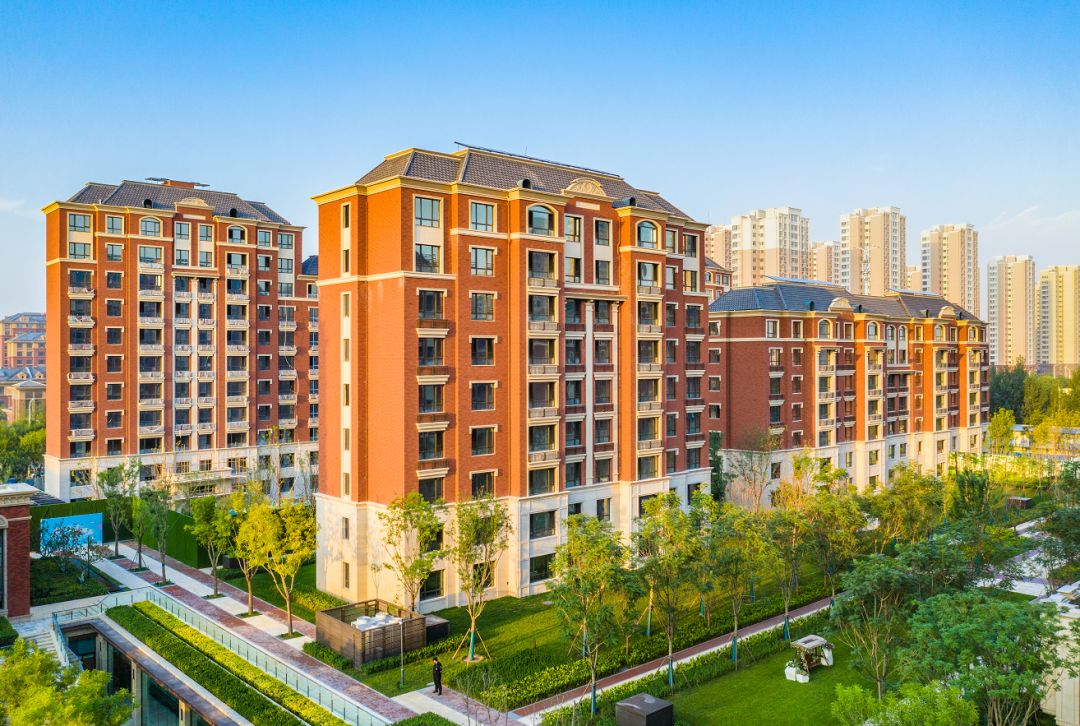
Detailed plan description
For commercial housing communities, resettlement housing, and apartments, we provide full-link power distribution system services from 10kV incoming lines to household meters. Strictly follow the residential building design specifications, rationally allocate transformer capacity and power supply to public facilities, and support smart metering, remote meter reading, and overload protection, taking into account the reliability of residents' electricity consumption and the convenience of property management.
Adapted to Indonesia
Solve the problems of "residents' complaints about power outages, inefficient meter reading and charging, dampness and leakage in underground garages, and no backup for public loads" for developers, properties and apartment operators. The plan delivers a combination of 20kV incoming lines, box-type transformers, building power distribution, smart meters, EPS/ATS and moisture-proof protection, taking into account Indonesia's 230V household side, Type C/F socket habits, hot and humid environment and property charge management.
Professional specifications and standards based
Indoor power supply is designed as 230V single-phase, public and electromechanical loads are designed as 400V three-phase; RCD 30mA is recommended for humid areas, and public circuits are powered by fire protection, elevators, and pump rooms. It is recommended that smart meters comply with IEC 62052/62053, distribution boxes and low-voltage cabinets refer to IEC 61439, building electricals refer to IEC 60364/SNI related requirements, and underground garage boxes are recommended to be IP54 or above and adopt moisture-proof coating.
Product specification comparison table
| Configuration gear | Typical specifications | Applicable buyers/scenarios | Purchase reminder |
|---|---|---|---|
| Ordinary apartment | 3.5-7.7kVA per household, smart meter | Small and medium residential projects | Focus on controlling metering and charging systems |
| High-end community | 8-12kW per household, EPS/ATS | Elevators, fire protection, and clubs have heavy loads | Public loads must be graded and reserved |
| Damp garage | IP54 cabinet, RCD 30mA | Underground garage/pump room | Prioritize moisture-proof, anti-corrosion and grounding |
Original experience and test data
Scarce experience: After-sales complaints in residential areas mostly come from underestimation of coefficients during peak periods and moisture in underground garage terminals.
Pitfalls and pain points that I have stepped on
- During summer/winter power consumption peaks, air conditioning loads are concentrated, transformers are overloaded and tripped, and large-scale power outages trigger complaints from owners;
- It is difficult to read meters at home, manual meter reading is inefficient and has large errors, and it is difficult to collect electricity bills;
- The underground garage is damp and the distribution box is prone to leakage, posing safety risks;
- There is no backup power supply for public loads such as fire protection and elevators. During a power outage, people will be trapped in the elevator and fire protection will fail.
Core parameters
The average household capacity is configured according to 8~12kW, the voltage level is 10kV/0.4kV, the measurement accuracy is level 1, the elevator/fire backup power supply switching time is ≤2s, and the power supply reliability is 99.9%.
Our special contribution
- Accurate calculation based on average household capacity + simultaneous coefficient, reserve peak margin, and zero overload power outage during peak seasons;
- Smart meters cover the entire community, provide remote automatic meter reading, support online payment, and increase the collection rate to 98%;
- The underground garage adopts a moisture-proof and waterproof distribution box and is equipped with leakage protection to eliminate potential safety hazards;
- Public areas are equipped with EPS backup power supply, and elevators, fire protection, and emergency lighting will operate normally during power outages.
Project income
- Economic benefits: Zero tripping during peak hours, significantly reducing owner complaints and property disputes; remote meter reading + online payment, property meter reading labor costs are reduced by 70%, and the collection rate is increased from 85% to 98%.
- Safety benefits: The underground garage is protected against moisture and leakage, reducing the risk of electric shock to 0; backup power supply in public areas, elevators and fire protection can operate normally after a power outage, eliminating safety accidents such as trapped people in elevators.
- Management benefits: Power distribution system operation data is visualized, and property operation and maintenance efficiency is increased by 40%; faults are proactively alerted and handled in advance to avoid large-scale power outages.
Ready to Discuss Your Project?
Our engineering team is ready to provide efficient and cost-effective electrical solutions.